
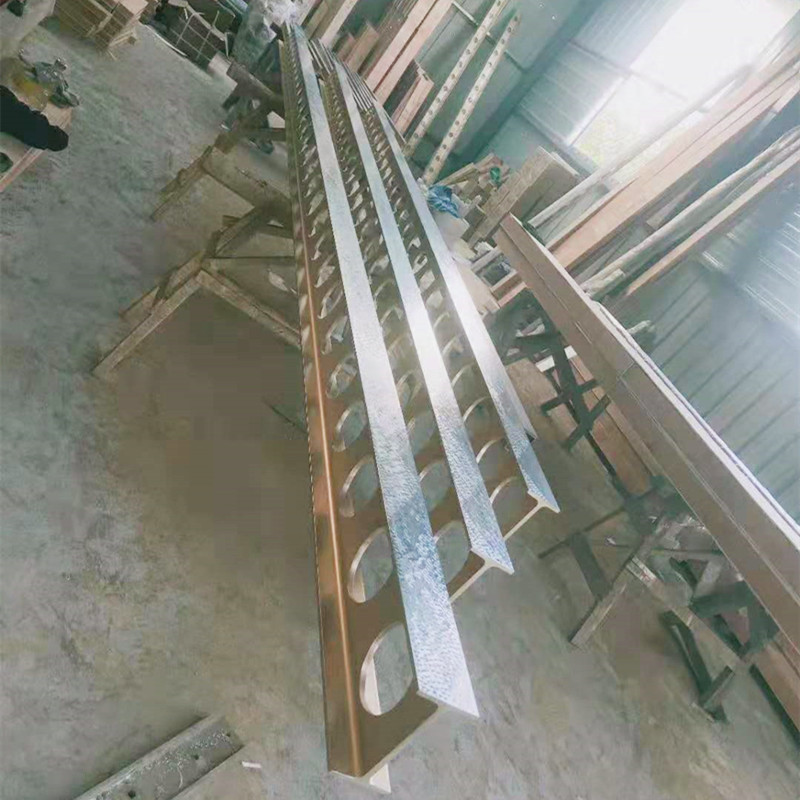
free standing led mirror
How to Replace Your Main Water Valve Shut Off A Step-by-Step Guide A main water valve shut off is a crucial component of your home’s plumbing system. It controls the flow of water into your home, ensuring that you can easily turn off the water during emergencies or when conducting repairs. Over time, these valves can wear out, leak, or become difficult to operate. Learning how to replace your main water valve shut off can save you money on plumbing bills and give you greater control over your home’s water supply. Why You Should Replace Your Main Water Valve Shut Off There are several reasons why you might need to replace your main water valve shut off. One of the most common issues is wear and tear that leads to leaks. A leaking valve can waste water and potentially lead to more significant plumbing issues if not addressed promptly. Additionally, if your valve is old or corroded, it may become almost impossible to turn off, which can be a serious problem during a plumbing emergency. Tools and Materials Needed Before you begin the replacement process, gather the following tools and materials - Adjustable wrench - Pipe wrench - Teflon tape - Replacement valve (make sure to get the right size) - Bucket or towel (to catch any water that may spill) Step-by-Step Process 1. Turn Off the Water Supply Before you do anything, locate your main water supply and turn it off. This is often found at the meter outside your home . If you cannot locate it, call your local water utility for assistance. replace main water valve shut off 2. Drain Your Pipes To avoid a mess, open your faucets and let the water drain from your pipes. This step is crucial, as it minimizes the water that may leak when you remove the old valve. 3. Locate the Main Shut-Off Valve Typically, this valve is found near where the water line enters your home, often in the basement or crawl space. 4. Remove the Old Valve Using the adjustable and pipe wrenches, carefully loosen the nuts and bolts attaching the valve to the pipe. Be cautious as you do this; there may still be residual water in the pipes. 5. Prepare the Pipe Once the old valve is removed, inspect the copper or PVC pipe for any damage. Clean the threads on the pipe where the valve was attached, ensuring that there is no old tape or debris. 6. Install the New Valve Wrap Teflon tape around the threads of the pipe to ensure a watertight seal. Attach the new shut-off valve to the pipe, tightening it with the wrench but being careful not to over-tighten, as this can cause damage. 7. Test the Installation Before reassembling everything, it’s a good idea to test the valve. Slowly turn the water supply back on, and check for any leaks around the new shut-off valve. If everything looks good, you can then fully turn the water back on and check the faucet. 8. Final Checks Once you’re satisfied with the installation, clean up your workspace, and store your tools. Make sure to inform all household members of the new valve’s location and operation. Conclusion Replacing your main water valve shut off is a manageable DIY task that can safeguard your home and improve your water control. With the right tools and preparation, this task can be accomplished in just a few hours. Regular maintenance and inspections of your valves can lead to fewer plumbing problems down the road. If you feel at any point that this task is beyond your skill level, it’s wise to consult or hire a professional plumber. By taking control of your plumbing repairs, you can maintain a functional and efficient home.
about
free standing led mirror
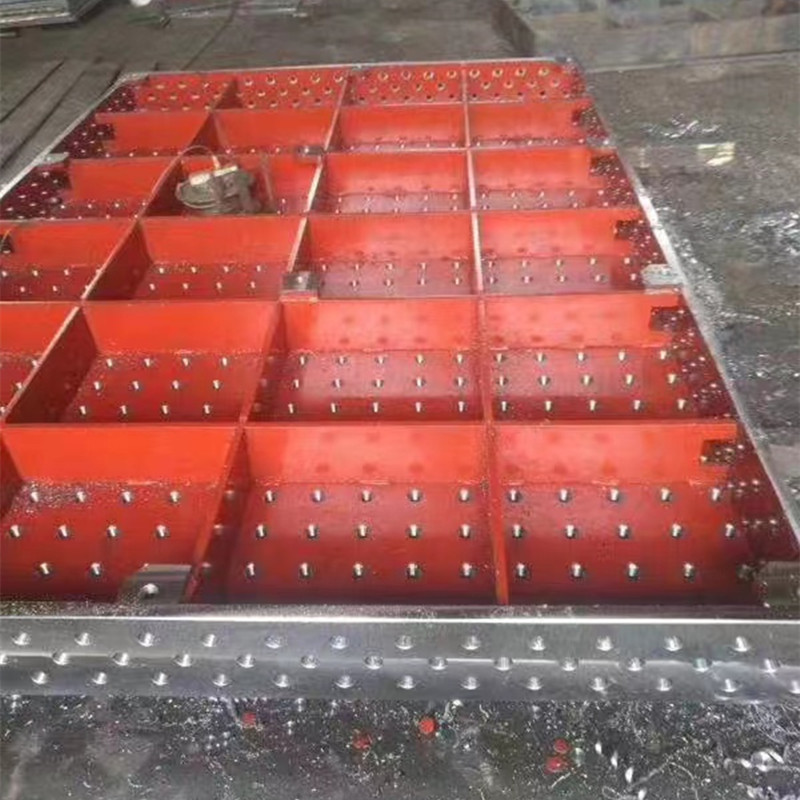
The Significance of T-Slot Cast Iron Surface Plates in Precision Engineering T-slot cast iron surface plates play a pivotal role in precision engineering and manufacturing, serving as essential tools for various applications such as machining, inspection, and assembly. These plates are designed to provide a flat, stable surface that ensures accuracy and consistency in measurements and operations. The use of cast iron as the material of choice offers several advantages, making T-slot plates invaluable in industrial environments. Composition and Properties Cast iron is an alloy of iron that contains varying amounts of carbon, silicon, and other elements. The most commonly used type for T-slot surface plates is grey cast iron due to its excellent damping properties, durability, and resistance to wear. The casting process allows for intricate designs, leading to a strong and rigid structure capable of withstanding heavy loads without deforming. Additionally, cast iron has a natural ability to absorb vibrations, which is crucial when performing precision measurements, as it minimizes errors caused by external disturbances. Design and Functionality T-slot surface plates are characterized by their T-shaped slots, which run parallel to each other and are integrated into the plate’s surface. These slots facilitate the secure attachment of various fixtures and equipment, allowing users to position items accurately during inspection or assembly processes. The flexibility offered by T-slots enables engineers and technicians to customize setups according to specific project requirements, enhancing efficiency and productivity. The flatness of the surface plate is crucial. High-quality T-slot cast iron surface plates are manufactured to meet exacting standards of flatness, typically within a few thousandths of an inch. This precision ensures that the components laid upon the plate can be measured and machined accurately, which is essential for maintaining quality control in manufacturing processes. t slot cast iron surface plate Applications in Industry The applications of T-slot cast iron surface plates span multiple industries, including automotive, aerospace, and electronics. In machining shops, they serve as the foundation for aligning components and performing measurements, ensuring that parts are machined to their correct specifications. During quality control inspections, surface plates provide a reliable reference point for gauging the dimensional accuracy of finished products. Moreover, T-slot surface plates are employed in the assembly of complex machinery and equipment, where precision alignment is vital. They provide operators with a stable and consistent surface to work on, reducing the likelihood of errors that could lead to costly rework or defects in the final product. Maintenance and Care To ensure the longevity and continued accuracy of T-slot cast iron surface plates, proper maintenance is essential. Users should clean the plates regularly to remove debris and contaminants that could affect measurements. Additionally, it is advisable to periodically check the flatness of the surface using precision measuring tools, making any necessary adjustments or repairs to maintain optimal performance. Conclusion In conclusion, T-slot cast iron surface plates are indispensable tools in the realm of precision engineering. Their robust construction, combined with the versatility of T-slots, allows for a wide range of applications that enhance accuracy in machining and assembly. By investing in high-quality surface plates and adhering to maintenance best practices, industries can ensure superior quality and performance in their manufacturing processes, thereby driving innovation and efficiency.
-

High quality industrial productsagement

High quality industrial products
View Details -

Meet the diverse needs of customers

Meet the diverse needs of customers
View Details -

Strict quality control

Strict quality control
View Details -

Top raw materials

Top raw materials
View Details -

Trusted supplier

Trusted supplier
View Details
Our application
news and information

Water Pressure Control Valve for Efficient Regulation and System Protection
Understanding Water Pressure Reduction Valves Water pressure reduction valves (PRVs) are essential c
Valvole a farfalla efficienza e utilizzo nei sistemi industriali moderni
La Valvola a Farfalla Un Elemento Chiave nei Sistemi di Controllo dei Fluidi La valvola a farfalla è

v guide rail
Understanding the Importance of Guide Rails A Comprehensive Overview Guide rails, often overlooked i
 English